Clashdle
Block Blast
Scary Teacher 3D

Cheat or Repeat
Chiikawa Puzzle

Lab Havoc
Maptap

Infinite Craft
Wacky Nursery
Tetrix Online
Glide In
Merge Brainrot
Block Slide
Stack Rush
Crafty Car
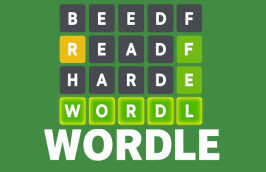
Wordle

Hangman
Loop Breakout

Fireboy And Watergirl

Merge Infinity
What do you usually think of puzzle games? A genre of boring games has monotonous graphics or requires you to think for too long to find the solution.
As you might expect, these games aren't for hurried players; they require careful thought and contemplation. Sometimes, it's precisely the impact on the brain that keeps players engaged for longer.
Every puzzle operates on a quiet, internal logic. The laws of the world don't change, but the challenges certainly do, growing more complex with every step. Eventually, the guesswork fades away, replaced by the sharp satisfaction of finally seeing the pattern for what it is.
One solved level often hints at the next, even without direct instruction.
Details matter. Shapes, colors, and positions return over time. Remembering them can make the difference between struggling and moving forward smoothly.
Over time, memory replaces trial and error.
Puzzle Games fit easily into short breaks. A few minutes is often enough to feel engaged and mentally active.
That balance makes them easy to return to, again and again.