206
189


Ziggy Road
12
Ziggy Road is a calm-looking zigzag runner where one tap decides everything. Roll the ball, read the turns, and survive the endless road.
Ziggy Road looks harmless. Almost boring, even. A thin zigzag path floating in space. One small ball rolling forward. No countdown, no noise, no pressure—at least at first.
Then the road bends.
That is when the game’s mask begins to slip. Ziggy Road is not about speed. It is about control. The kind that slips away the moment confidence takes over. As an endless zigzag runner, it quietly tests patience more than reflex.
Many players open the game expecting something relaxing. What they get instead is a steady rise in tension, similar to standing on a narrow beam that keeps stretching forward. One mistake and the run ends without explanation.
This is why this game fits perfectly into the hyper-casual category. Simple rules. Unforgiving execution.
There is only one action: tap.
Each tap switches the ball’s direction along the zigzag road. The ball never stops moving. There is no pause button to save a bad decision. Timing is the entire game.
At the beginning, turns feel wide and friendly. After a while, they come faster. The ball feels heavier. Mistakes feel cheaper, yet more frequent. Gems appear along the path, quietly inviting risk.
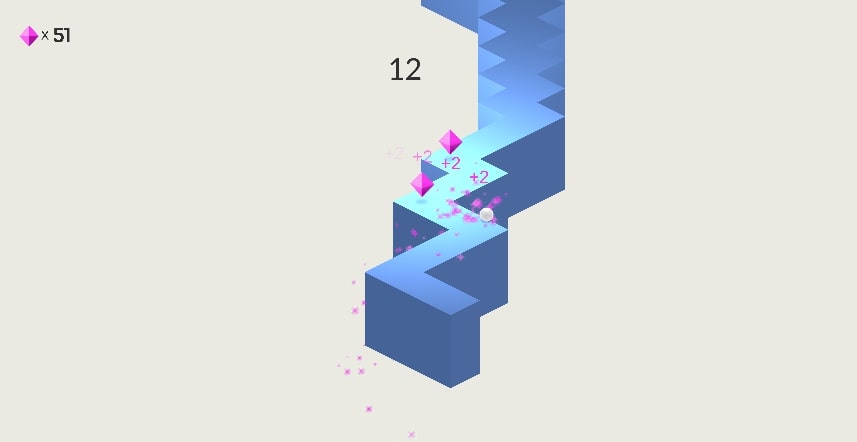
Press carefully because just one wrong button press will send your ball rolling down the cliff in the Ziggy Road game.
Ignoring gems often leads to longer runs. Chasing them usually ends the game early. That lesson arrives naturally, without text or warning.
As a zigzag ball game, Ziggy Road communicates through failure. Every fall teaches something small, even if it is not obvious at first.
There are no levels, no checkpoints, no mercy. Each run exists on its own.
A single input controls everything. That simplicity keeps attention locked on timing.
The minimal look avoids noise and keeps focus on movement, which suits this Ziggy Road 2D format well.
Most failed runs result from a lack of patience.
A helpful habit is to treat every corner as a reset, not a continuation. Many players tap again immediately after turning, which often causes them to slide off the edge. Waiting half a second longer can make a huge difference.
Another lesson comes from ignoring temptation. Gems are optional. Some are placed in uncomfortable spots for strategic reasons. Walking past them feels wrong at first, but longer runs usually come from safer choices. Many advanced Ziggy Road tips are about knowing when not to act.
Rhythm matters. Not fast rhythm—steady rhythm. The Zigzag game feels closer to a balancing act than a frantic race. When timing breaks, forcing recovery rarely works. Letting the pace settle again often saves the run.
Failure is frequent. That is not a flaw. Each short run builds anticipation. Over time, the road starts to feel readable instead of random.
Compared to Dancing Beat, Ziggy Road feels quieter and more isolating. Dancing Beat relies on music and visual cues to guide timing. It offers none of that. Silence becomes part of the challenge.
Against Tap Road, Ziggy Road is stricter. Tap Road allows a little hesitation and visual comfort. The Ziggy game demands commitment before the turn arrives. As a zigzag runner, it punishes hesitation more than aggression.
All three share simple mechanics, but this ball game feels more personal, almost stubborn.
The Skill game does not try to entertain loudly. It waits.
As an arcade Ziggy Road experience, it rewards focus and calm decision-making. Each run feels fragile, like carrying something breakable across a narrow path.
Being available as Ziggy Road unblocked on browsers makes it easy to start, but difficult to leave behind. Platforms like Yoplay.io showcase how perfectly this design caters to short sessions without sacrificing depth.
For gamers who enjoy quiet challenge over spectacle, this ball game delivers exactly that.
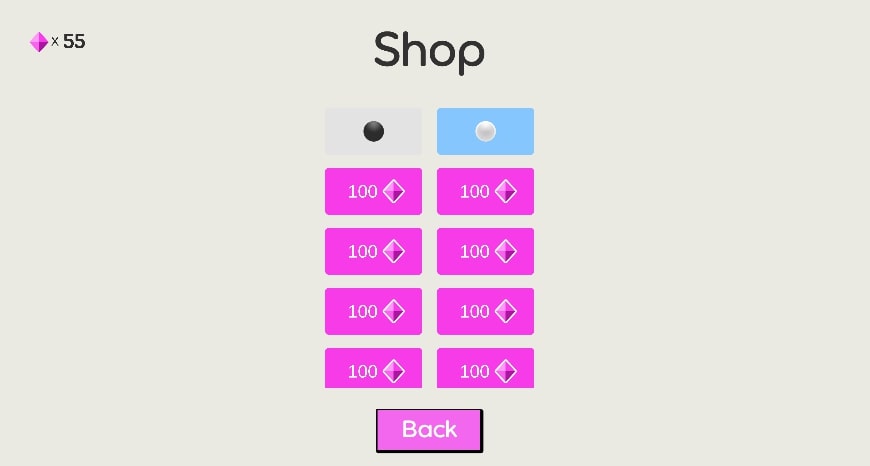
Ball skins can be purchased with pink diamonds you earn while playing the Ziggy Road game.
The controls are simple, but mastering them takes time.
No. The road continues until the ball falls.
Yes, though long runs demand focus.
It's strict timing and lack of guidance.
Yes, it runs smoothly on mobile browsers.